Shop by Category

Welcome to Grab n Go!
 English
Feb 02, 2026 / By Grab n Go Admin / in Ecommerce
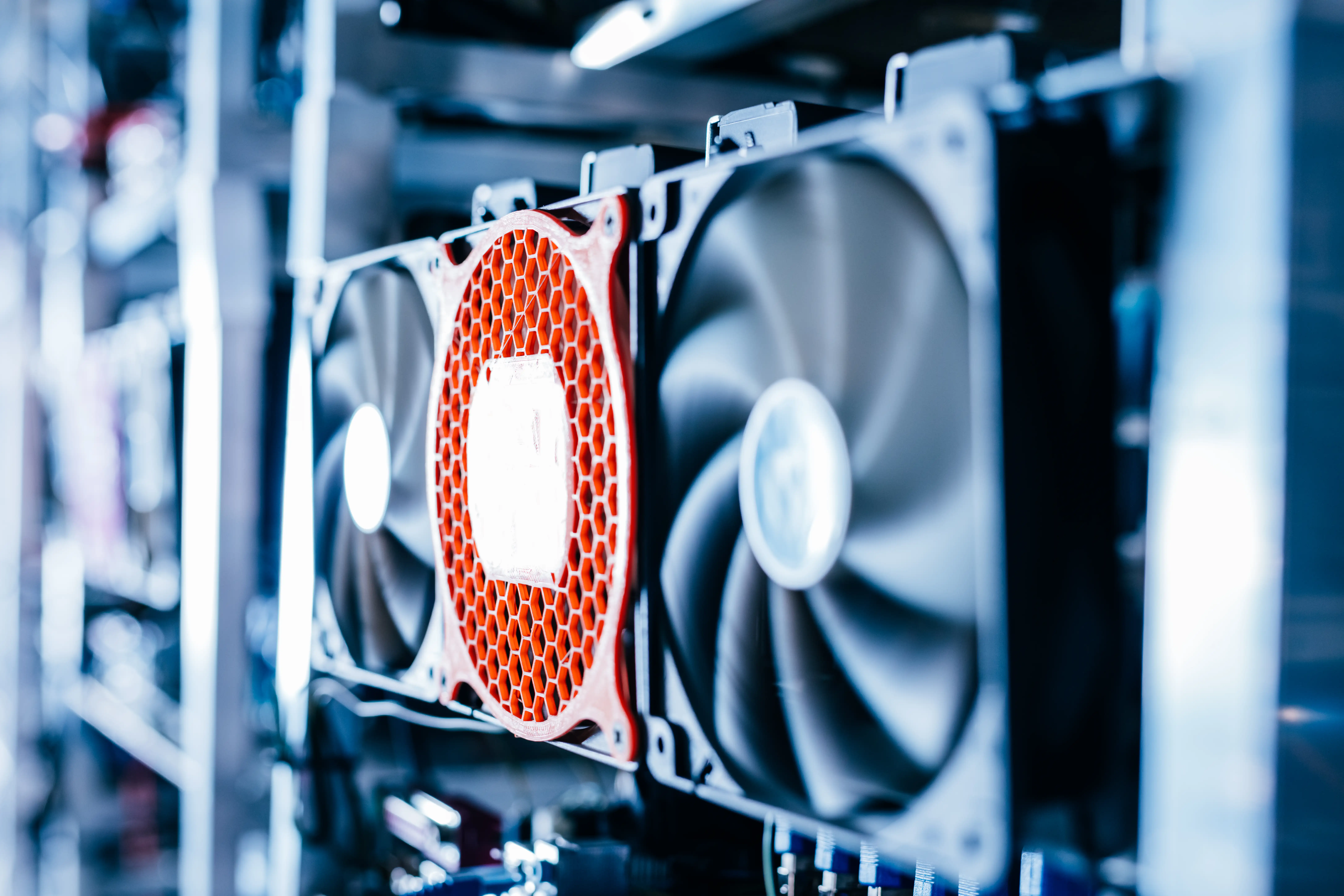
Building or upgrading a PC is rarely about chasing extremes. It is about balance. Performance, thermals, acoustics, aesthetics, and longevity all quietly negotiate with each other inside the case. Cooling sits at the center of that conversation. Whether heat is handled by a traditional tower cooler or a closed loop liquid system shapes how stable, quiet, and future ready a rig becomes.
At Grab and Go, we approach cooling as a long term investment rather than a quick fix. NZXT’s cooling lineup offers a clean lens through which this debate makes sense because it spans both refined air solutions and thoughtfully engineered liquid systems. The question is not which one is better universally. The real question is which one fits the way a system is used, housed, and pushed.
Every component generates heat, but the processor sets the tone. Modern CPUs boost aggressively, often hitting thermal ceilings long before they reach power limits. Cooling is no longer about preventing shutdowns. It is about sustaining boost clocks without turning a workspace into a wind tunnel.
Air and liquid cooling attack this problem differently. Air coolers rely on direct heat transfer through a base plate and heat pipes into a fin stack, with fans pushing that heat away. Liquid coolers move heat to a radiator mounted elsewhere in the case, spreading thermal load across a larger surface area.
What often gets overlooked is airflow dependency. A powerful graphics card can dump significant heat into the case, influencing CPU temperatures indirectly. As GPU power envelopes continue to rise, overall case airflow becomes just as critical as the cooler mounted on the processor. Cooling choices do not exist in isolation anymore.
Air cooling has survived every hardware generation for a reason. It is predictable, mechanically simple, and remarkably efficient when designed well. NZXT’s air coolers focus on dense fin arrays and optimized fan profiles rather than brute force noise.
For many builders, air cooling remains the most sensible option.
[Image of NZXT air cooler installed in a mid-tower case]
That simplicity translates into reliability. An air cooler performs almost identically on day one and year four, assuming occasional dust cleaning. For mid range CPUs or productivity systems that run long hours, this consistency matters more than peak thermal headroom.
Air cooling does have limits. Once CPUs push into higher core counts and sustained turbo loads, air coolers approach diminishing returns. Case clearance also becomes a constraint, especially in compact builds. Yet it is worth noting that not every high performance setup demands liquid. Many gaming systems remain GPU bound at higher resolutions, reducing sustained thermal stress on the processor.
Liquid cooling carries a reputation for being excessive or purely aesthetic. That reputation is outdated. Closed loop liquid coolers from NZXT are designed around thermal efficiency, acoustic tuning, and ease of use rather than visual drama alone.
The advantage is thermal distribution. By relocating heat to a radiator, liquid coolers reduce localized hotspots around the CPU socket. This becomes especially valuable under sustained workloads such as rendering, compiling, or heavy multitasking.
Liquid cooling shines when:
[Image of AIO liquid cooler radiator airflow diagram]
NZXT’s AIO designs balance pump speed and fan curves to avoid the high pitched noise often associated with cheaper liquid solutions. Still, liquid cooling introduces complexity. Pumps wear over time, installation demands planning, and radiators require proper airflow direction.
There is also the psychological factor. Some builders overestimate their cooling needs based on specs alone. Thermal design power figures rarely reflect real world gaming loads, especially when paired with modern GPUs handling the majority of rendering work. Liquid cooling should be chosen for clear reasons, not assumptions.
Cooling decisions cannot be separated from the chassis. Radiator support, fan placement, and clearance define what is realistically achievable. A high end liquid cooler in a poorly ventilated case performs no miracles.
Before choosing a cooling method, it helps to ask practical questions:
NZXT cases are typically designed with airflow symmetry in mind, making both air and liquid cooling viable. However, compact mid towers often favor air cooling simplicity, while larger enclosures allow liquid systems to stretch their legs.
There is also thermal interaction to consider. High wattage graphics cards expel significant heat into the case, influencing CPU cooler efficiency regardless of cooling type. Proper intake and exhaust balance often matters more than whether cooling is air or liquid.
Cooling performance is easy to measure. Noise is harder to quantify but just as important. A cooler that keeps temperatures low at the cost of constant fan ramping is rarely pleasant long term.
Air coolers tend to produce broader, lower frequency noise that blends into background environments. Liquid coolers introduce pump noise, which varies significantly by design and tuning. NZXT places emphasis on acoustic profiles rather than raw fan speed. Still, user expectations matter. A system built for late night work or shared spaces benefits from cooling that prioritizes silence over maximum thermal headroom.
Interestingly, real world gaming noise is often dictated by the graphics card rather than the CPU cooler. Once GPU fans dominate the acoustic profile, incremental CPU cooling improvements become less perceptible. This is where balanced system design outperforms component level obsession.
There is no universal winner between liquid and air cooling. The right choice depends on how a system is actually used, not how it looks on a spec sheet.
Air cooling makes sense when:
Liquid cooling earns its place when:
Future upgrades also play a role. CPUs evolve faster than cooling technology. Investing in cooling that can outlast multiple processor generations often delivers better long term value. As GPU architectures grow more power efficient per frame rendered, overall system thermals increasingly hinge on CPU workload patterns rather than raw gaming performance alone. Cooling decisions should anticipate that shift.
Cooling is one of the few PC components that quietly influences everything else. Stability, boost behavior, noise, and even component lifespan respond to how heat is managed. NZXT’s cooling solutions sit comfortably in the middle ground, offering both air and liquid options that focus on engineering rather than excess.
At Grab and Go, we see cooling as part of a system story, not an isolated upgrade. The best rigs are not defined by extreme choices but by thoughtful ones. Whether heat moves through copper fins or liquid channels, what matters is that it moves efficiently, quietly, and consistently.
A well cooled system does not demand attention. It simply performs, day after day, regardless of the workload placed upon it.
Sep 21, 2026 by Grab n Go Admin
Sep 18, 2026 by Grab n Go Admin